
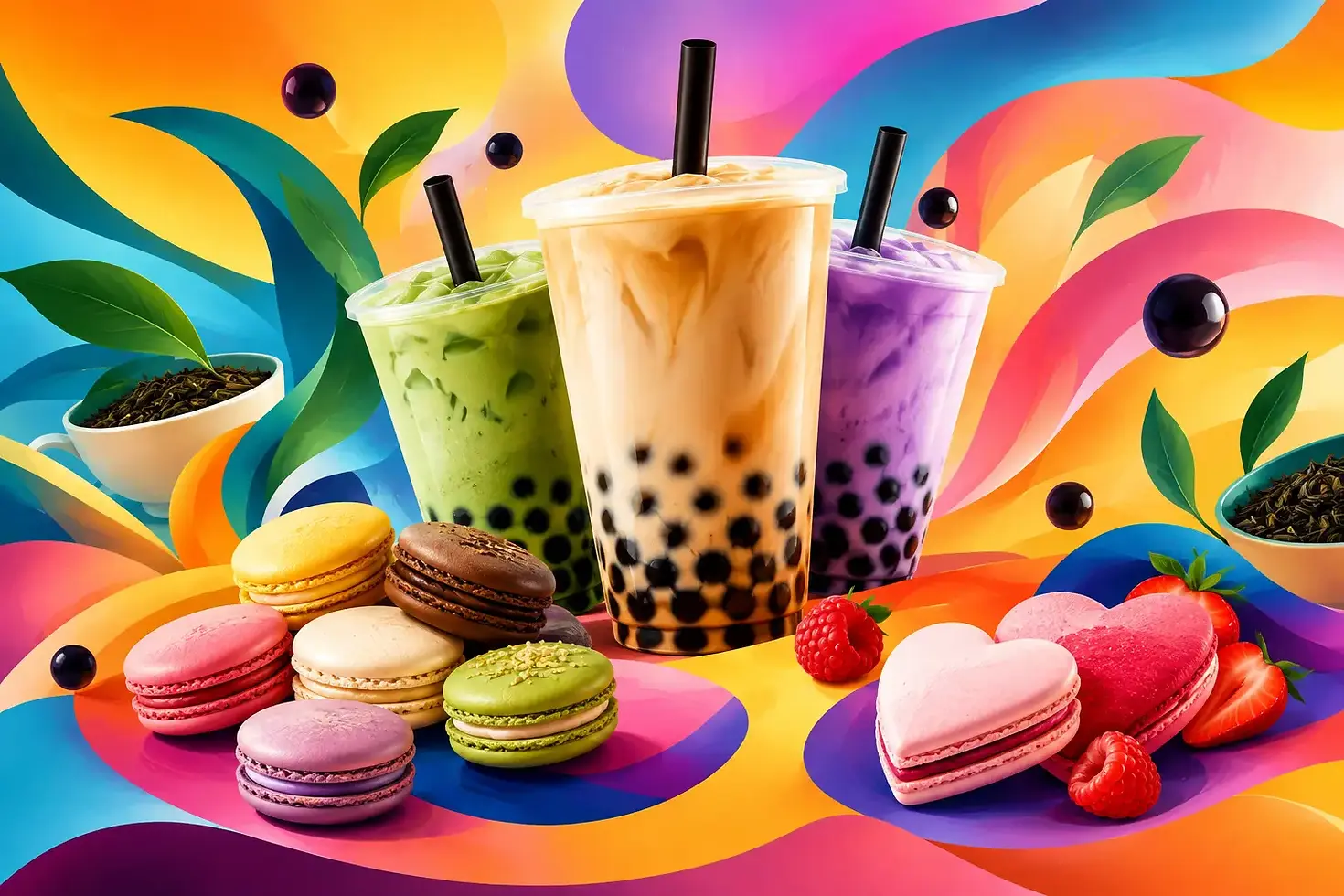
A Guide to Tea Caffeine for Boba Drink Fans
A creamy milk tea after class, a bright fruit tea on a warm Ontario afternoon, or a boba drink before a long shift can hit exactly right. But if you are wondering how much energy is in your cup, this guide to tea caffeine makes the choice easier. Tea caffeine is not one fixed number. It changes with the tea base, recipe, size, and how the drink is prepared.
The good news: you do not need to give up your favorite flavors to be more intentional. Once you know where caffeine comes from, you can order a delicious drink that fits your afternoon, evening, or whatever kind of day you are having.
What puts caffeine in tea drinks?
Caffeine comes from the tea leaves, not from the boba pearls, milk, fruit flavor, or ice. Black tea, green tea, oolong tea, white tea, and matcha all naturally contain caffeine because they come from the same tea plant. Their flavor and caffeine levels can feel different, but none of them are automatically caffeine-free.
In a made-to-order tea drink, the final caffeine level depends on more than the name on the menu. A strong tea concentrate can bring more caffeine than a lightly brewed tea. A large drink may contain more tea than a smaller one. Extra ice, milk, fruit puree, or toppings can change the amount of tea in each sip without necessarily changing the total amount used.
That is why two drinks that look similar can affect you differently. Your own caffeine sensitivity matters, too. One person can enjoy milk tea at 8 p.m. and sleep fine. Another may feel wide awake after a smaller green tea in the late afternoon.
Guide to tea caffeine by popular tea bases
Black tea
Black tea is a classic choice for rich, bold milk tea. It has a deeper, more familiar tea flavor that stands up well to creamy milk, brown sugar notes, and chewy tapioca pearls. It is often one of the more caffeinated tea options, though the exact amount still depends on how it is brewed.
Choose black tea when you want a fuller tea taste and a noticeable pick-me-up. It is a great daytime choice when a plain coffee sounds boring but you still want a drink with personality.
Green tea
Green tea tends to taste lighter, fresher, and a little more grassy or floral. It is a natural match for fruit tea, citrus flavors, honey notes, and refreshing iced drinks. People often assume green tea has almost no caffeine, but it still contains caffeine.
For many drinkers, green tea can feel like a lighter option than black tea. That does not mean every green tea drink is lower in caffeine. Brew strength and serving size still make a real difference.
Oolong tea
Oolong lands between green and black tea in flavor. It can be floral, toasted, smooth, or slightly roasted depending on the blend. In milk tea, it gives a more layered tea taste without always feeling as bold as black tea.
Its caffeine level can vary widely, so it is best to think of oolong as a middle-ground flavor choice rather than a guaranteed low-caffeine choice. If you like tea-forward drinks but want to switch up your usual order, oolong is worth trying.
Matcha
Matcha is different because the powdered tea leaf is mixed into the drink instead of steeped and removed. That gives it a vibrant green color, a creamy texture, and a distinct earthy flavor. It also means matcha drinks can provide a more concentrated tea experience.
Matcha can feel smooth and steady for some people, but it is still caffeinated. If you are especially sensitive to caffeine, do not assume a matcha latte is an evening-safe option just because it tastes creamy and sweet.
Herbal and caffeine-free options
Herbal drinks are not made from traditional tea leaves, so many are naturally caffeine-free. Still, a fruity drink is not always herbal. Fruit tea may be made with green tea, black tea, or another tea base, then blended with fruit flavor, juice, or puree.
If you want to avoid caffeine, ask whether the drink uses a tea base and whether there is a caffeine-free alternative available. It is the simplest way to enjoy a refreshing flavor without guessing.
What does not add caffeine?
Tapioca pearls do not contain caffeine. Neither do popping boba, jelly, pudding, milk, creamers, or most fruit flavorings. These ingredients can add sweetness, texture, and serious snack appeal, but they are not the source of the buzz.
That distinction helps when you are customizing. You can keep the boba texture you love while choosing a lower-caffeine tea base, less tea, or a caffeine-free drink where available. Caffeine and sweetness are separate choices, even though many people experience them together in the same amazing beverage.
How to choose the right tea drink for your day
Start with timing. If you are ordering in the morning or early afternoon, black tea, green tea, oolong, and matcha can all work well depending on the flavor you want. A milk tea can be a satisfying alternative when you want something more fun than another coffee. A fruit tea with a green tea base can feel especially fresh when the day is warm.
Later in the day, think about how caffeine affects you personally. If it keeps you up, choose an herbal or caffeine-free option when possible, or ask for guidance on a lighter tea choice. If caffeine does not usually bother you, a smaller size or a drink with more milk and ice may still be a more comfortable evening pick than a strong tea-forward order.
Flavor can guide your decision, too. Choose black tea for a bold, creamy classic. Go with green tea when you want crisp fruit flavors. Try oolong for a smooth, more aromatic tea profile. Pick matcha when you are craving that rich, earthy green tea taste. The best order is not the one with the most or least caffeine. It is the one that tastes great and feels right for your plans.
Simple ways to order with more confidence
You do not need to memorize caffeine charts before ordering. A quick question can make all the difference: What tea base is in this drink? From there, you can ask whether another base is available or whether the drink can be made without tea.
At Bobo Cha Bar, the fun is finding a flavor combination that feels like your own. If you are trying to cut back on caffeine, tell the team you are looking for a lighter or caffeine-free direction. If you want a little lift, choose a tea-forward favorite and enjoy the pearls, jellies, or fruit flavors that make every sip more exciting.
Remember that sugar level and caffeine level are different adjustments. Reducing sweetness may change the flavor balance, but it does not remove caffeine from the tea. Adding toppings makes the drink more indulgent, but it does not increase caffeine either. Knowing that lets you customize for both taste and comfort.
Common tea caffeine questions
Does milk tea always have caffeine?
Most milk tea has caffeine because it is made with a black, green, oolong, or other traditional tea base. The amount varies by recipe and preparation. If you need to avoid caffeine, ask whether a non-tea or herbal option is available.
Is fruit tea caffeine-free?
Not always. Fruit tea can be made with real tea plus fruit flavors, juice, or puree. It may be caffeine-free only when it uses an herbal base or no tea base at all.
Are boba pearls caffeinated?
No. Tapioca pearls are made for chewy texture and do not naturally contain caffeine. The tea in the drink is what matters.
Which tea base has the least caffeine?
There is no one answer that applies to every shop or recipe. Green tea is often perceived as lighter than black tea, but the actual result depends on the type of tea, brew time, and amount used. A caffeine-free herbal or non-tea drink is the clearer choice when you want to skip caffeine.
A great tea order should match your mood, your schedule, and your cravings. Ask about the base, choose the flavors you are excited about, and make your next drink break feel as good as it tastes.


Comments