
Boba Tea Nutrition for Your Favorite Cup
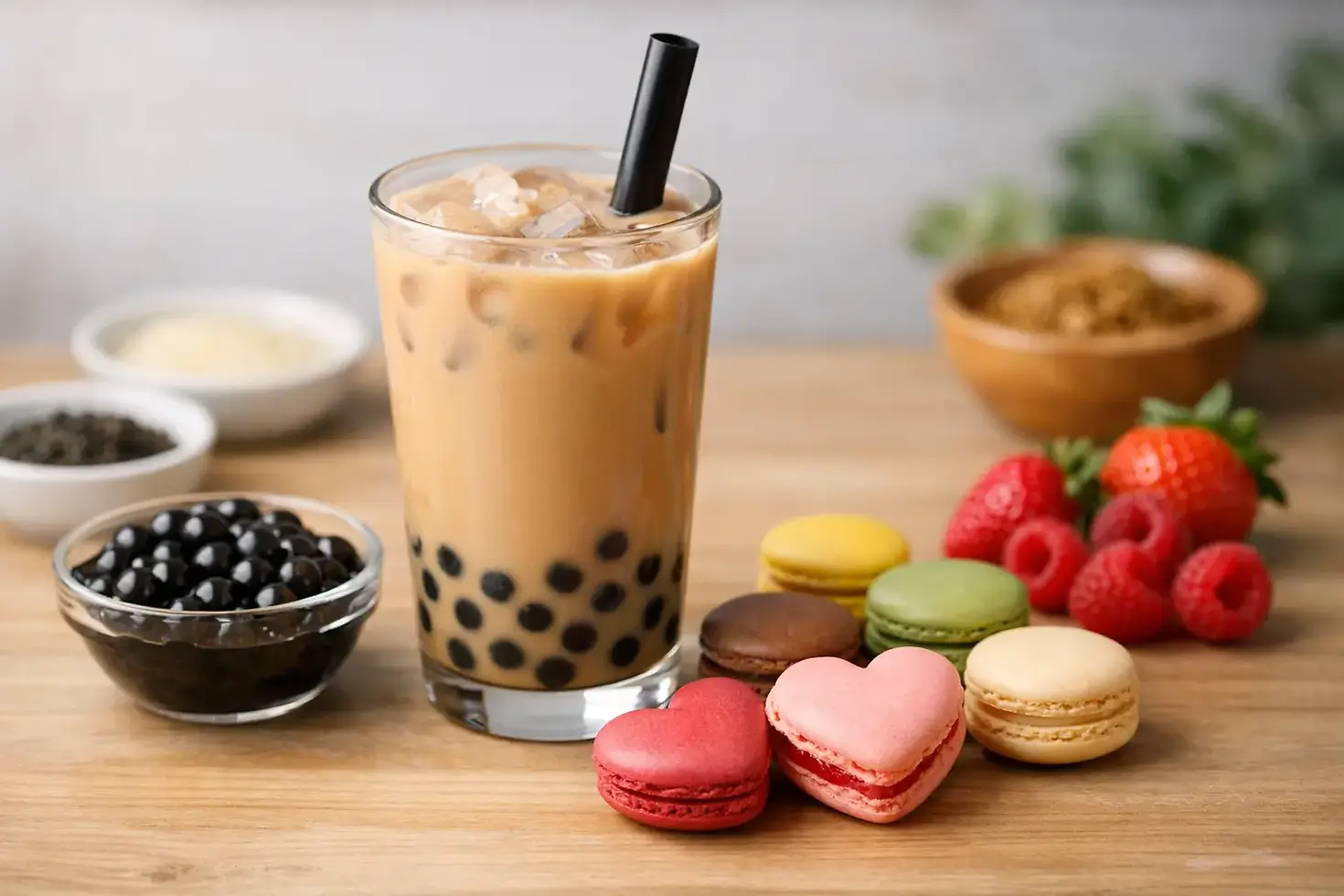
That creamy milk tea with chewy pearls can be exactly the afternoon pick-me-up you want. Boba tea nutrition is not one fixed number, though. A bright fruit tea with light sweetness can look very different from a large, extra-creamy milk tea loaded with brown sugar boba, foam, and pudding.
The good news: you do not have to treat every boba run like a nutrition test. Knowing what goes into your cup makes it easier to order for your mood, your appetite, and the kind of day you are having. Some days call for a full-on sweet treat. Other days, a fresh fruit tea with a lighter touch hits perfectly.
What Changes Boba Tea Nutrition?
Most bubble tea drinks have four main parts: the tea base, milk or creamer, sweetener, and toppings. Each one affects calories, added sugar, fat, and how filling the drink feels.
Tea itself is typically very low in calories. Black tea, green tea, jasmine tea, and oolong tea all bring flavor without adding much on their own. The nutrition changes once milk, syrups, powders, fruit bases, and toppings enter the cup.
Cup size matters too. A larger drink naturally has more room for milk, sweetness, and toppings. That does not make it a bad choice. It simply means a large, rich drink is better thought of as a satisfying treat rather than a quick glass of water.
Sweetness Level
Sugar is usually the biggest variable in boba tea. Depending on the recipe and size, a fully sweet milk tea or fruit tea can contain a significant amount of added sugar. Syrups, flavored powders, fruit jams, and brown sugar all contribute.
If your shop offers sweetness customization, choosing less sweet is one of the simplest ways to change the nutrition without changing the drink experience. A 50% or 25% sweetness level can still taste delicious, especially in flavorful teas and fruit-forward drinks. If you are trying a new flavor, starting around half sweet gives you a good read on the drink before going lighter or sweeter next time.
Milk, Creamer, and Dairy Alternatives
A classic milk tea gets its smooth, comforting flavor from dairy milk, non-dairy creamer, or a plant-based option. The exact nutrition varies by ingredient. Whole dairy milk may add more fat and protein, while some creamers can add sweetness and richness. Plant-based milks also vary widely, with some unsweetened options being lighter and some flavored versions adding sugar.
There is no universal “best” choice. If you want a richer, dessert-like cup, creamy milk tea is part of the appeal. If you want a lighter sip, a tea-based fruit drink or a milk option with lower sweetness may be a better match.
Toppings Make a Real Difference
Tapioca pearls are the signature texture that makes boba so much fun. They are generally made from tapioca starch and cooked in a sweet syrup, so they are mostly carbohydrates with some added sugar. A standard scoop can add a noticeable number of calories to a drink, often in the range of roughly 100 to 200 calories depending on the portion and preparation.
Other toppings have their own profiles. Popping boba and fruit jellies can add sweetness, while pudding, custard, cheese foam, and whipped-style toppings can make a drink feel extra rich. A drink with several toppings can be amazing, but it will usually be closer to a snack or dessert than a light refresher.
Typical Calories in Boba Tea
Because recipes differ, nutrition estimates are best used as a general guide rather than a promise for every cup. A plain brewed tea may have almost no calories, while a customized specialty drink can land much higher.
A smaller or medium fruit tea with no dairy, light sweetness, and one topping may often fall somewhere around 150 to 300 calories. A classic milk tea with regular sweetness and tapioca pearls may commonly range from about 300 to 500 calories. Large drinks with full sweetness, brown sugar syrup, rich milk, and multiple toppings can go beyond that.
These ranges are not meant to take the fun out of ordering. They show why two drinks with the same name can have very different numbers. Size, ice level, sweetness, milk choice, and toppings all matter.
How Much Sugar Is in Boba Tea?
A sweet boba drink can contain as much added sugar as other popular specialty beverages, especially when it includes syrup, sweetened milk, fruit concentrate, and boba. The exact amount depends on the recipe, but it can add up quickly in a large cup.
That is why sweetness customization is so useful. Reducing sweetness often lowers added sugar more than skipping ice or changing tea type. You can also choose one sweet element instead of stacking several. For example, brown sugar boba paired with a less-sweet milk tea lets the topping shine without making every part of the drink intensely sweet.
Fruit tea deserves a little context here. “Fruit” does not automatically mean low sugar. Real fruit can be part of a refreshing drink, but fruit syrups, jams, and sweetened bases can still contribute plenty of sugar. A fruit tea can be a lighter-feeling choice than a creamy milk tea, yet the best choice depends on how it is prepared and how sweet you order it.
Easy Ways to Build a Drink That Fits Your Day
If you want a more balanced boba order, focus on one or two changes rather than trying to make your drink taste like something it is not. A great boba tea should still feel like a treat you are excited to drink.
Start with a tea base you genuinely enjoy. Strong black tea, floral jasmine, earthy oolong, and crisp green tea can carry plenty of flavor with less need for extra sweetness. Then pick the style that sounds good: creamy milk tea for a fuller, more indulgent cup, or fruit tea for something bright and refreshing.
Next, adjust sweetness to your preference. Light or half sweet is an easy starting point for many people. Choose one topping you really love instead of adding several just because they are available. If tapioca pearls are non-negotiable, keep them and consider going lighter on syrup or foam. Balance does not have to mean giving up the boba.
Portion can help too. A regular size may satisfy a casual craving, while a larger cup can make sense when you want a drink to enjoy slowly during a long study session, shopping trip, or hangout. Sharing a specialty drink is another easy option when you want a taste of something extra decadent.
Boba Tea Can Be a Treat or a Snack
Nutrition is also about context. A milk tea with pearls might be a fun dessert after dinner, a snack between classes, or part of a weekend outing with friends. On a day when you are having a rich boba drink, you may want to pair it with regular meals that include protein, fiber, fruits, vegetables, and water. That approach is more realistic than labeling foods and drinks as completely good or bad.
Caffeine is worth considering as well. Tea-based drinks may contain caffeine, though the amount varies by tea type and recipe. If you are sensitive to caffeine or ordering late in the day, ask about decaf or caffeine-free options if available. Fruit drinks without a tea base may be a better fit for younger kids or anyone avoiding caffeine.
Enjoy Your Favorite Cup Your Way
The best boba order is the one that tastes amazing and suits the moment. Go creamy and classic when you want comfort. Choose fruity and light when you are craving refreshment. Keep your favorite pearls, try a lower sweetness level, or save the extra toppings for the days when you want the full treat experience.
At Bobo Cha Bar, every made-to-order drink is a chance to choose your own flavor adventure. Drop by for a fresh, delicious cup, enjoy the texture you love, and make your next boba break feel just right.


Comments